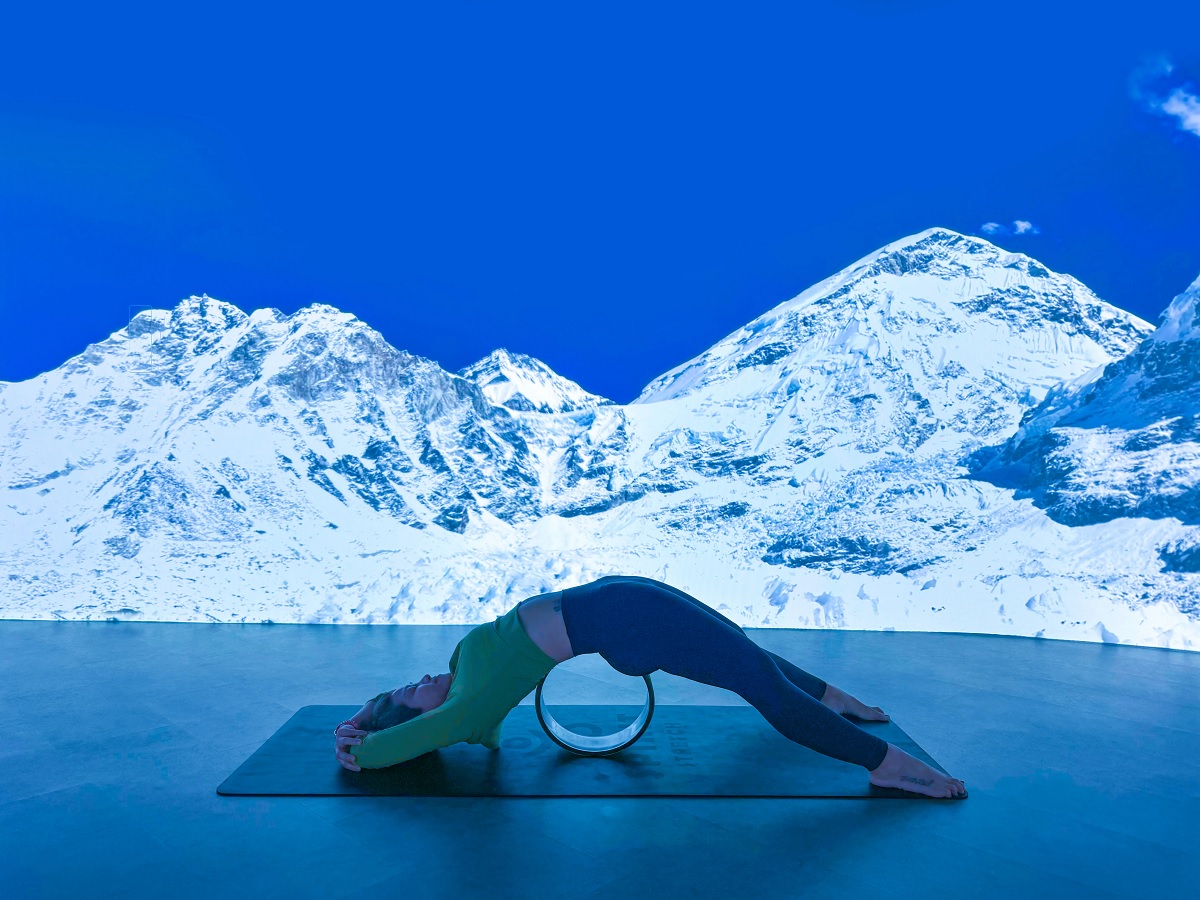
Travel has become a regular part of life for many people in Singapore. Whether it is for work, short regional breaks, or long-haul holidays, frequent travel places unique stress on the body. Long hours seated in aircraft cabins, time spent waiting in transit, unfamiliar sleeping arrangements, and disrupted routines all contribute to spinal stiffness and reduced mobility. Over time, this can lead to lingering discomfort that does not disappear even after returning home.
For travellers who prioritise long-term physical wellbeing, movement-based recovery is essential. The yoga wheel has emerged as a valuable tool for supporting spinal health before and after travel. Rather than relying on aggressive stretching or high-effort workouts, supported wheel-based practice offers a practical way to decompress the spine, restore mobility, and reduce travel-related strain in a controlled and sustainable manner.
This article explores how travel affects spinal health, why frequent flyers are especially vulnerable to compression and stiffness, and how yoga wheel practice fits naturally into a travel-aware movement routine.
Why Travel Takes a Toll on the Spine
Even short trips can disrupt the body’s natural movement patterns. When travel becomes frequent, these disruptions accumulate.
Prolonged sitting and spinal compression
Air travel involves extended periods of sitting with limited opportunity to change posture. In aircraft seats, the spine often remains flexed, with minimal lumbar support. This leads to:
-
Increased compression in the lower back
-
Reduced disc hydration due to lack of movement
-
Tightening of hip flexors that pull the spine forward
Over multiple flights, this compression becomes harder to reverse without intentional decompression.
Restricted movement and joint stiffness
Security procedures, limited aisle space, and time constraints reduce natural movement. Joints remain static for long periods, especially:
-
Hips
-
Thoracic spine
-
Ankles and knees
This lack of variability increases stiffness and reduces joint lubrication.
Sleep disruption and recovery challenges
Travel often affects sleep quality. Poor sleep reduces the body’s ability to recover from physical stress, amplifying stiffness and discomfort experienced during flights.
Common Travel-Related Spinal Issues
Frequent travellers often report similar patterns of discomfort, even if they are otherwise active.
Lower back tightness after flights
Lower back discomfort is one of the most common complaints. It is often linked to prolonged sitting combined with reduced core engagement during travel.
Upper back and shoulder tension
Carrying luggage, using laptops on the go, and leaning forward during flights place strain on the upper back and shoulders. This tension can persist long after arrival.
Neck stiffness and reduced mobility
Awkward sleeping positions and forward head posture during travel contribute to neck stiffness. Without proper counter-movement, this stiffness can affect daily posture and comfort.
Why Supported Movement Is Ideal for Travellers
After travel, the body does not always respond well to intense workouts or deep stretching. What it often needs first is restoration rather than exertion.
Gentle decompression without exhaustion
Supported practices focus on creating space in the body without requiring high energy output. This makes them suitable:
-
After long flights
-
During jet lag
-
When energy levels are low
Yoga wheel practice allows the spine to decompress gradually, helping the body reset without additional stress.
Restoring alignment awareness
Travel disrupts postural awareness. Supported movement helps reconnect the practitioner with natural alignment patterns, making it easier to stand, sit, and move comfortably again.
How Yoga Wheel Practice Supports Travel Recovery
The yoga wheel’s curved design provides even support along the spine, making it particularly effective for addressing travel-related compression.
Spinal decompression after prolonged sitting
Wheel-supported spinal opening encourages:
-
Gentle extension through the thoracic and lumbar spine
-
Improved circulation to spinal tissues
-
Reduced pressure on intervertebral discs
This helps counteract the flexed posture maintained during flights.
Improving hip and spine coordination
Travel tightens the hips, which affects spinal movement. Wheel-based practice allows:
-
Controlled hip opening without forcing range
-
Improved coordination between hips and spine
-
Reduced compensatory strain on the lower back
This integration is essential for restoring natural movement after travel.
Encouraging relaxation of the nervous system
Travel stress affects more than muscles. The nervous system often remains in a heightened state after transit. Supported movement:
-
Signals safety to the nervous system
-
Reduces muscular guarding
-
Improves breathing patterns
This creates a calmer foundation for recovery.
Preparing the Body Before Travel
Spinal health during travel begins before boarding the plane. Preparing the body can reduce post-travel stiffness significantly.
Building mobility resilience
Regular supported mobility work helps the spine tolerate prolonged sitting better. When the spine is already mobile and well-supported, it adapts more easily to travel demands.
Improving postural endurance
Wheel-based practice strengthens postural muscles gently. This improves endurance, making it easier to maintain healthier posture during flights without excessive effort.
Reducing fear of movement
Confidence in movement reduces tension. Practitioners who feel safe exploring spinal extension and support are less likely to guard their movements during travel.
Integrating Recovery After Arrival
Many travellers focus on activities immediately after arrival, often ignoring recovery. This approach can prolong discomfort.
Short recovery-focused sessions
Even brief supported sessions can:
-
Relieve stiffness
-
Improve circulation
-
Restore movement confidence
The goal is not intensity but consistency.
Avoiding aggressive stretching
After long flights, tissues are often dehydrated and sensitive. Aggressive stretching can worsen discomfort. Supported wheel practice allows tissues to adapt gradually.
Supporting Long-Term Travel Comfort
For frequent flyers, travel-related stiffness can become chronic if not addressed properly.
Preventing cumulative strain
Regular decompression prevents small issues from accumulating into larger problems. This supports:
-
Better posture during everyday life
-
Reduced reliance on quick-fix remedies
-
Greater enjoyment of travel experiences
Enhancing daily movement quality
When the spine moves well, everything else feels easier. Walking, standing, and sitting all improve when spinal mobility is restored.
Studios that emphasise intelligent, recovery-oriented movement, such as Yoga Edition, help travellers develop sustainable practices that support both active lifestyles and regular travel demands.
Travel as an Opportunity for Body Awareness
Travel highlights how daily habits affect the body. Discomfort during travel often reveals areas of neglect.
Listening to the body’s signals
Stiffness and discomfort are signals, not inconveniences. Addressing them through supported movement encourages a more responsive relationship with the body.
Shifting focus from performance to care
Travel recovery practices emphasise care rather than achievement. This mindset supports longevity and wellbeing, especially for individuals balancing work, travel, and personal commitments.
Real-Life FAQs
Q: Can yoga wheel practice help with stiffness caused by short flights, not just long-haul travel?
A: Yes. Even short flights involve prolonged sitting and limited movement. Supported decompression can help restore comfort regardless of flight duration.
Q: Is it better to practise recovery movements immediately after arrival or the next day?
A: Gentle supported movement soon after arrival often helps reduce stiffness faster, provided it is not overly demanding.
Q: Can frequent travel worsen existing back issues even if I exercise regularly?
A: Yes. Exercise alone may not counteract prolonged sitting and compression. Targeted decompression supports areas that general workouts may overlook.
Q: Does supported movement help with jet lag-related body fatigue?
A: It can. Improving circulation, breathing, and nervous system regulation often reduces the physical heaviness associated with jet lag.
Q: How often should frequent travellers focus on spinal decompression?
A: Regular practice, especially before and after trips, helps prevent cumulative strain and supports consistent comfort.
By addressing the physical realities of travel through supported yoga wheel practice, frequent flyers can maintain spinal health, recover more efficiently, and enjoy their journeys with greater ease and comfort.