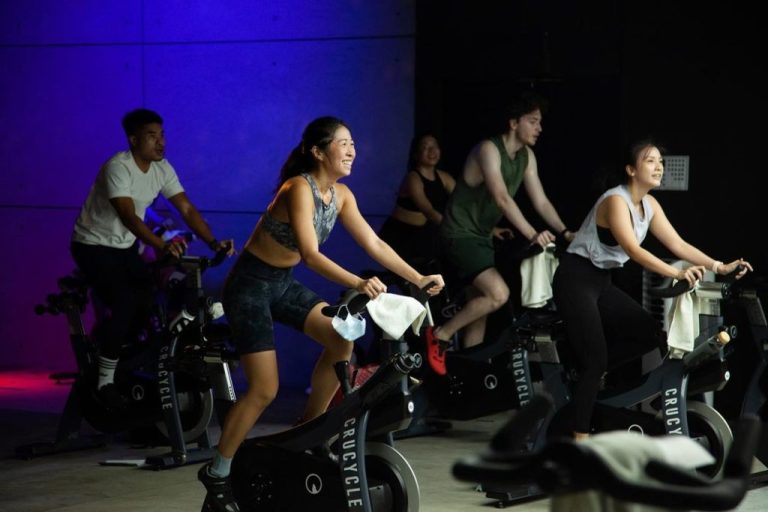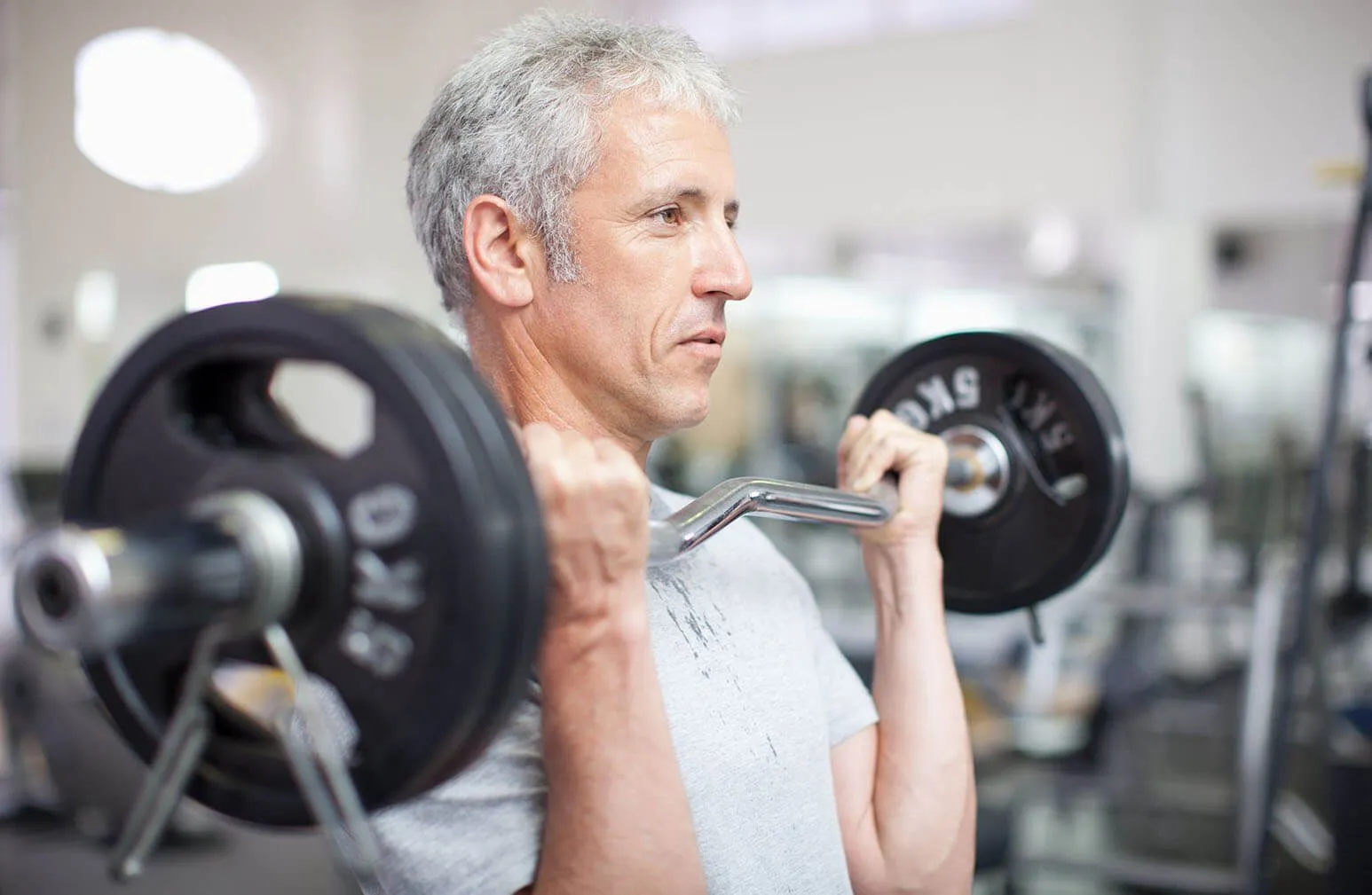
Health priorities change with age, but one issue remains constant for working adults in Singapore. Physical inactivity gradually erodes strength, mobility, and energy, often without obvious warning signs. Many people only react when discomfort or medical indicators appear. Experiencing a free gym in Singapore before making a long-term commitment allows individuals to understand how their body responds to structured training at their current life stage, without pressure or assumptions.
Rather than treating fitness as a one-size-fits-all solution, age-aware training recognises that the body adapts differently in the 20s, 30s, 40s, and beyond. A free gym trial creates space to explore these differences and make informed, sustainable health decisions.
Why Age Matters in Fitness Outcomes
The human body evolves over time. Muscle mass, joint flexibility, hormone levels, and recovery capacity change gradually. Sedentary habits accelerate these changes, especially in urban work environments where sitting dominates daily routines.
Understanding age-specific responses to exercise helps individuals:
-
Train smarter rather than harder
-
Prevent injuries linked to poor recovery
-
Focus on health outcomes that matter most at each stage
-
Build habits that remain effective long term
A gym environment provides the tools and structure needed to address these evolving needs appropriately.
Health Gains in the 20s: Building a Strong Physical Foundation
Many professionals in their 20s feel physically capable even with limited activity. However, early sedentary habits begin shaping posture, muscle balance, and movement quality during this stage.
Gym training in the 20s supports:
-
Development of proper movement patterns
-
Building lean muscle mass efficiently
-
Improving posture after years of study-related sitting
-
Establishing cardiovascular endurance early
A free gym experience often reveals hidden weaknesses such as poor core stability or limited mobility. Addressing these early prevents chronic issues later in life.
Key benefits at this stage include:
-
Faster recovery from workouts
-
High adaptability to strength training
-
Strong response to habit formation
-
Long-term injury prevention
Starting structured fitness early reduces the need for corrective measures later.
Health Gains in the 30s: Counteracting Lifestyle Acceleration
The 30s often bring increased work responsibilities, longer hours, and family commitments. Physical activity tends to decline just as metabolic changes begin to appear.
Gym training in the 30s focuses on:
-
Preserving muscle mass
-
Managing weight distribution changes
-
Supporting joint health under increased load
-
Improving stress resilience
A free gym trial allows individuals to assess how training fits into busy schedules and how the body responds to renewed movement.
Benefits often noticed include:
-
Improved energy levels
-
Reduced back and neck discomfort
-
Better stress management
-
Enhanced sleep quality
This decade is critical for preventing long-term metabolic decline.
Health Gains in the 40s: Protecting Mobility and Strength
In the 40s, natural muscle loss and joint stiffness become more noticeable, especially for those with prolonged sedentary habits. Without intervention, these changes can affect daily comfort and independence.
Gym-based training at this stage prioritises:
-
Strength preservation
-
Joint stability and mobility
-
Balance and coordination
-
Cardiovascular efficiency
A free gym experience helps individuals rediscover movement confidence and safely reintroduce resistance training.
Common benefits include:
-
Reduced joint pain
-
Improved posture and movement confidence
-
Enhanced endurance during daily activities
-
Lower injury risk through controlled training
Consistency becomes more important than intensity at this stage.
Health Gains in the 50s and Beyond: Maintaining Independence and Vitality
As the body ages further, fitness shifts from performance to preservation. Strength, balance, and flexibility directly influence quality of life and independence.
Gym training supports:
-
Bone density maintenance
-
Fall risk reduction
-
Functional strength for daily tasks
-
Improved circulation and heart health
Trying a gym before committing helps individuals gauge comfort levels and adapt workouts to their abilities.
Benefits often include:
-
Increased confidence in movement
-
Improved joint range of motion
-
Better overall vitality
-
Enhanced mental wellbeing
Age-appropriate training helps maintain autonomy rather than restrict activity.
Why a Free Trial Is Essential at Any Age
Many people delay fitness because they fear being out of place or choosing the wrong environment. A free trial removes these barriers and allows exploration without pressure.
A trial period helps individuals:
-
Understand personal physical limitations
-
Identify suitable training styles
-
Build confidence using equipment
-
Establish realistic fitness expectations
This experience leads to better long-term commitment and fewer drop-offs.
Preventing Age-Related Injuries Through Structured Training
Injuries often occur when untrained bodies face sudden physical demands. Gym environments reduce this risk by offering controlled settings and progressive loading.
Structured training helps:
-
Strengthen stabilising muscles
-
Improve joint alignment
-
Enhance movement awareness
-
Reduce overuse injuries
Trying a gym allows individuals to learn safe movement patterns early.
Mental Benefits of Age-Aware Fitness
Physical capability influences mental confidence. As individuals feel stronger and more mobile, anxiety around ageing and physical decline decreases.
Mental benefits include:
-
Increased self-confidence
-
Reduced fear of injury
-
Improved mood stability
-
Stronger sense of control over health
These benefits grow with consistent training at any age.
Making an Informed Commitment Based on Personal Experience
Fitness decisions are more sustainable when based on experience rather than assumptions. A free gym trial provides clarity about environment, routines, and physical response.
For individuals evaluating long-term fitness options, TFX Fitness offers an environment that supports age-aware training through accessible layouts and thoughtful programming that adapts to different life stages.
Real-Life FAQs
Q: Is it too late to start gym training after 40?
A: No. Many people experience significant improvements in strength, mobility, and energy when starting structured training later in life.
Q: Does age affect how often someone should train?
A: Training frequency should reflect recovery ability. Two to four sessions per week is effective for most adults.
Q: Can gym training help with age-related joint stiffness?
A: Yes. Controlled strength and mobility exercises often improve joint comfort and range of motion.
Q: Is heavy lifting safe for older adults?
A: When properly progressed and performed with correct form, resistance training is safe and beneficial at any age.
Q: How long does it take to notice age-specific benefits?
A: Energy and mobility improvements often appear within weeks, while strength gains develop over months.
Q: Can gym training slow physical decline associated with ageing?
A: Regular training helps preserve muscle, bone density, and mobility, supporting long-term independence.
Q: Should training goals change with age?
A: Yes. Goals should shift toward sustainability, injury prevention, and functional strength rather than short-term performance.