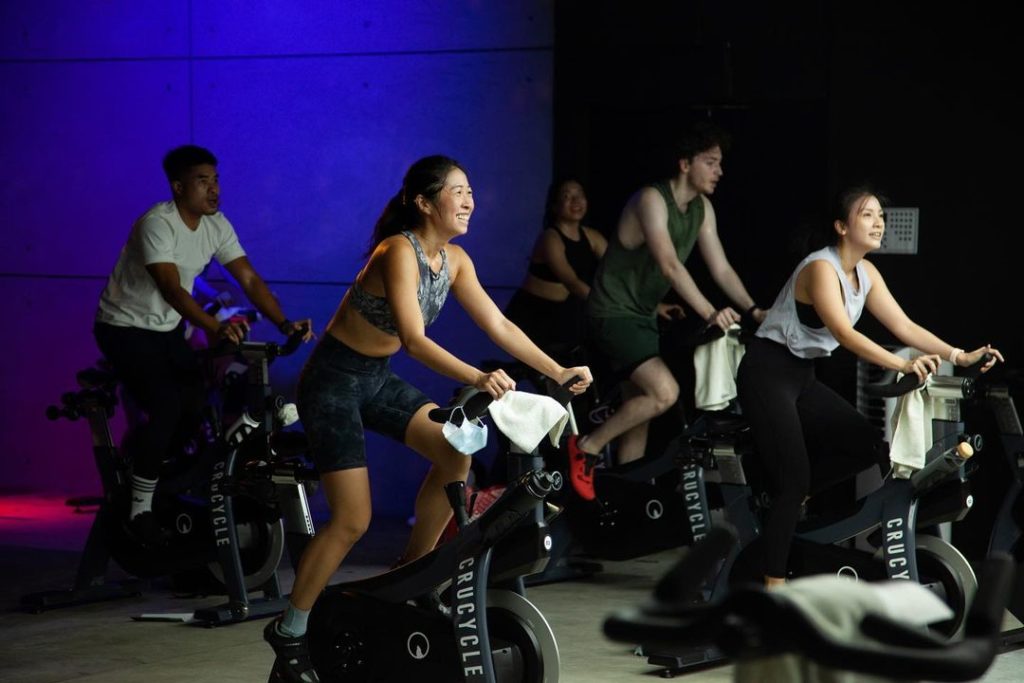
Ask most Singaporeans what they plan to eat before their next spinning class, and you will get one of two answers. Either they have not eaten anything because they were afraid of feeling sick on the bike, or they grabbed whatever was convenient at the nearest hawker centre without giving it much thought. Both approaches leave a significant amount of performance and recovery on the table.
The relationship between food and exercise is genuinely important, and for high-intensity cardiovascular workouts like spinning classes, what you eat and when you eat it can materially affect how well you ride, how quickly you recover, and how much of the training benefit your body actually absorbs. The good news is that fuelling your spinning sessions does not require expensive supplements or imported superfoods. Singapore’s extraordinary hawker food culture provides most of what you need, as long as you know how to use it.
The Physiology of Fuelling a Spinning Class
Before getting into specific food recommendations, it helps to understand what your body actually needs during a spinning session. Spinning is a predominantly aerobic exercise with significant anaerobic intervals. Your primary fuel source for aerobic work is glycogen, which is glucose stored in your muscles and liver from the carbohydrates you have eaten. For short, high-intensity sprints, your body draws on phosphocreatine stores and anaerobic glycolysis.
This means carbohydrates are the most important macronutrient to consider before a spinning session. Fat is also a significant fuel source for aerobic work, particularly at moderate intensities, but fat takes longer to mobilise and metabolise, making it less relevant for pre-workout timing. Protein is not a primary fuel during exercise but is critical after exercise for muscle repair and adaptation.
Hydration is equally important, particularly in Singapore’s climate. Showing up to a spinning class even mildly dehydrated will compromise your performance, elevate your perceived effort, and increase your risk of dizziness or cramping. Drinking adequate fluid in the hours before class is as important as what you eat.
What to Eat Before a Spinning Class
Timing Matters as Much as Content The ideal pre-workout meal depends significantly on how long before your class you are eating. A larger meal should be eaten two to three hours before class to allow adequate digestion. A smaller snack can be consumed 30 to 60 minutes before class. Eating a large meal immediately before spinning is almost always uncomfortable and can impair performance.
The Case for Carbohydrates Before Spinning Your pre-class meal or snack should be carbohydrate-forward. This replenishes glycogen stores and ensures you have readily available fuel for the session. The carbohydrates should be moderate in fibre and fat to ensure they digest efficiently and do not sit heavily in your stomach during the ride.
Singapore Hawker Options That Work Well as Pre-Workout Meals (2 to 3 Hours Before)
Chicken Rice (Hainanese Style) A classic for good reason. The steamed rice provides a solid base of digestible carbohydrates, and steamed chicken is lean protein that supports muscle function without the fat content that would slow digestion. Avoid the skin and go easy on the chilli if you have a sensitive stomach. A modest portion of plain chicken rice two to three hours before class is an excellent pre-workout choice.
Ban Mian Flat wheat noodles in a light broth with egg and minced meat is a well-balanced, easily digestible option. The noodles deliver steady carbohydrates, the broth provides hydration and sodium, and the egg contributes protein. A standard bowl of ban mian two to three hours before spinning is a comfortable and effective pre-class meal.
Yong Tau Foo with Rice Noodles A customisable hawker staple that allows you to control exactly what goes into your bowl. Choose a clear broth over the spicy option, pick protein-rich items like tofu and fish cake alongside your noodles, and you have a light, well-balanced meal that digests smoothly before exercise.
Roti Prata (Plain) For early morning class-goers, plain roti prata with a small amount of dhal provides quickly available carbohydrates and protein. The fat content in prata means it should be eaten at least 90 minutes before an intense session rather than immediately before, but it is a practical and genuinely effective option for morning workouts.
Quick Snacks 30 to 60 Minutes Before Class
If you do not have time for a proper meal before class, a small, low-fat, low-fibre carbohydrate snack 30 to 60 minutes beforehand will top up your glycogen without overloading your digestion. Options include a banana, a few plain crackers, or a small portion of steamed sweet potato. These are all available at convenience stores near most True Fitness locations.
What Not to Eat Before Spinning
Certain foods, however locally beloved, are not ideal in the hours before a spinning class.
- Nasi lemak with all the trimmings is delicious but high in fat and coconut-based carbohydrates that digest slowly. The high fat content means digestion is still active well into your workout, which can cause discomfort and nausea.
- Laksa, particularly lemak laksa with its rich coconut broth, follows the same principle. The high fat content makes it a poor pre-workout choice within three hours of class.
- Fried carrot cake, wanton noodles with char siu, and char kway teow all fall into the high-fat, high-sodium category that is more appropriate as a post-workout reward than a pre-workout fuel.
- Durian requires no explanation to most Singaporeans. The combination of high fat, high sugar, and intense flavour makes it spectacularly ill-suited as a pre-workout food.
What to Eat After a Spinning Class
The post-workout window is often called the anabolic window, which refers to the period following exercise when your muscles are particularly receptive to nutrients for repair and recovery. Eating the right foods within 30 to 90 minutes after your spinning class significantly accelerates recovery, reduces next-day muscle soreness, and supports the fitness adaptations you are working toward.
The Post-Workout Priority: Protein and Carbohydrates Together After spinning, your muscles need protein to repair the microdamage caused by the workout, and carbohydrates to replenish depleted glycogen stores. The combination of both macronutrients in the post-workout meal produces better recovery outcomes than either alone.
Singapore Hawker Options That Work Well as Post-Workout Meals
Economy Rice (Caai Png) A perfectly customisable post-workout option. Choose steamed rice as your base, select one or two protein sources such as steamed chicken, tofu, or fish, and add a vegetable dish. The combination of carbohydrates and protein is ideal, the portions are adjustable, and it is available almost everywhere. The key is to go lighter on the fried items and heavier on the steamed or braised options.
Sliced Fish Soup with Rice or Noodles Sliced fish soup is genuinely excellent as a post-workout recovery meal. Fish is a high-quality, lean protein source that is easily digestible. The clear broth provides electrolytes and hydration. Adding rice or noodles to the soup brings in the carbohydrates needed for glycogen replenishment. This is one of the most nutritionally sound post-workout hawker options in Singapore.
Yong Tau Foo with Added Tofu and Fish Products Again, an excellent and highly customisable option. Load up on tofu, fish cake, and other protein-rich items alongside rice noodles for a post-workout bowl that delivers on both protein and carbohydrates.
Egg White or Whole Egg Options at Local Kopitiam A kopitiam half-boiled egg with toast is a classic Singaporean breakfast that doubles as a reasonable post-workout snack when a full meal is not immediately available. The eggs provide protein and the toast delivers quick carbohydrates for glycogen replenishment.
Hydration: The Most Underestimated Factor
In Singapore’s tropical climate, fluid and electrolyte losses during a spinning class are significant. A 45-minute spinning session in a warm studio can produce sweat losses of 500 to 1,000 millilitres or more, depending on individual factors. Replacing this fluid after class is non-negotiable.
Plain water is your best hydration tool for most spinning sessions. If your class is particularly long or intense, or if you are a heavy sweater, adding electrolytes through a sports drink or coconut water helps replace the sodium and potassium lost in sweat. True Fitness Singapore facilities provide water access, but bringing your own well-filled water bottle to every class is good practice.
FAQ
Q. Is it okay to spin on an empty stomach? A. Fasted spinning can be effective for fat burning in some individuals, particularly during early-morning sessions. However, it is not advisable for beginners or for high-intensity classes, as low glycogen levels impair performance and increase the risk of dizziness. If you are comfortable with fasted exercise and your class intensity is moderate, it can work. Most people will perform better and feel more energised with a light snack 30 to 60 minutes before class.
Q. How much protein should I eat after a spinning class? A. A general guideline is 20 to 30 grams of protein in the post-workout meal, which is broadly achievable with a standard serving of chicken, fish, tofu, or eggs at a local hawker centre. Consuming significantly more protein than this in a single sitting offers diminishing returns for muscle recovery, as the body’s capacity to absorb and utilise protein for muscle synthesis is finite per meal.
Q. Will eating after spinning undo the calorie burn? A. No. The post-workout meal supports recovery and adaptation; it does not negate the exercise. Avoiding food after intense exercise in an attempt to maximise calorie deficit often backfires by impairing recovery, increasing muscle breakdown, and making you ravenously hungry hours later, leading to overeating. Eating an appropriately sized, nutritious post-workout meal is essential, not optional.
Q. Can I drink kopi or teh before a spinning class? A. A moderate amount of caffeine before exercise can enhance performance by increasing alertness and reducing perceived effort. A cup of kopi or teh 30 to 60 minutes before class is unlikely to cause problems for most people and may actually be beneficial. Avoid very sweet versions like kopi gao siu dai close to class time if your stomach is sensitive, and be mindful that caffeine can increase dehydration risk, so pair your kopi with a glass of water.
Q. What if my spinning class is during lunchtime and I cannot eat a proper post-workout meal immediately? A. If you cannot eat a proper meal within 90 minutes after class, a portable snack immediately post-class will help bridge the gap. A banana, a hard-boiled egg, or a small packet of unsalted nuts and dried fruit can provide quick protein and carbohydrates to start the recovery process until you can access a full meal. Planning ahead with a snack in your gym bag is a simple habit that makes a meaningful difference to recovery quality.